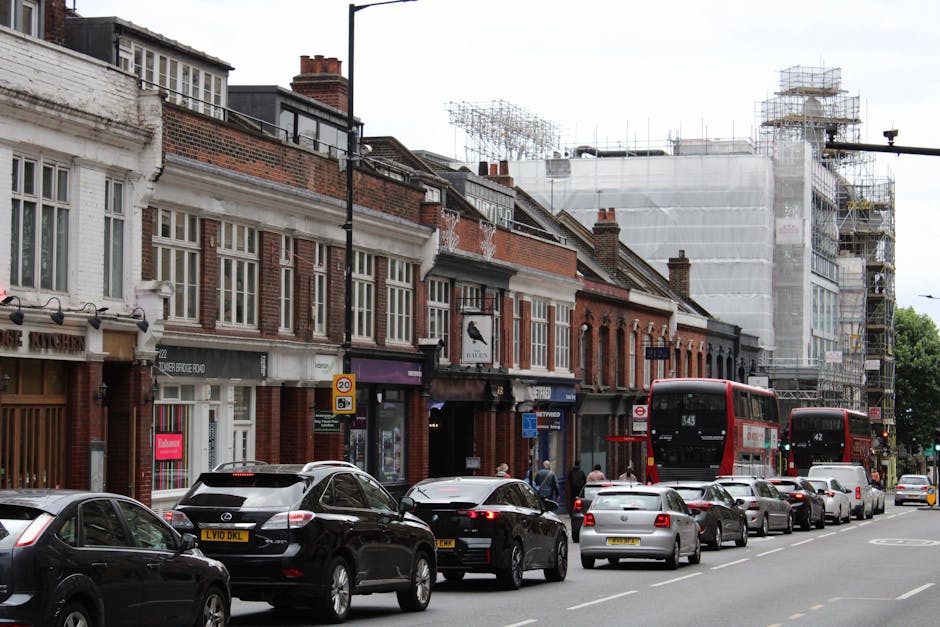
West Hampstead removals guide West End Lane and NW6
Posted on 29/05/2026
Moving in West Hampstead can look simple on paper. In reality, it often means narrow residential streets, busy school-run windows, awkward staircases, and the sort of parking puzzle that makes even a short move feel a bit more involved than expected. This West Hampstead removals guide West End Lane and NW6 is designed to make the whole process feel calmer, clearer, and far more manageable.
Whether you are shifting out of a studio near West End Lane, moving family furniture into a larger house in NW6, or just trying to get organised before completion day, the same truth applies: the better you plan, the smoother everything goes. A good move is not about luck. It is about timing, preparation, and choosing the right support for your property type and budget.
Below, you will find a practical local guide covering how removals usually work in this part of London, what tends to go wrong, how to avoid stress, and which services make sense for different situations. To be fair, a move never feels glamorous. But it can feel controlled, and that counts for a lot.
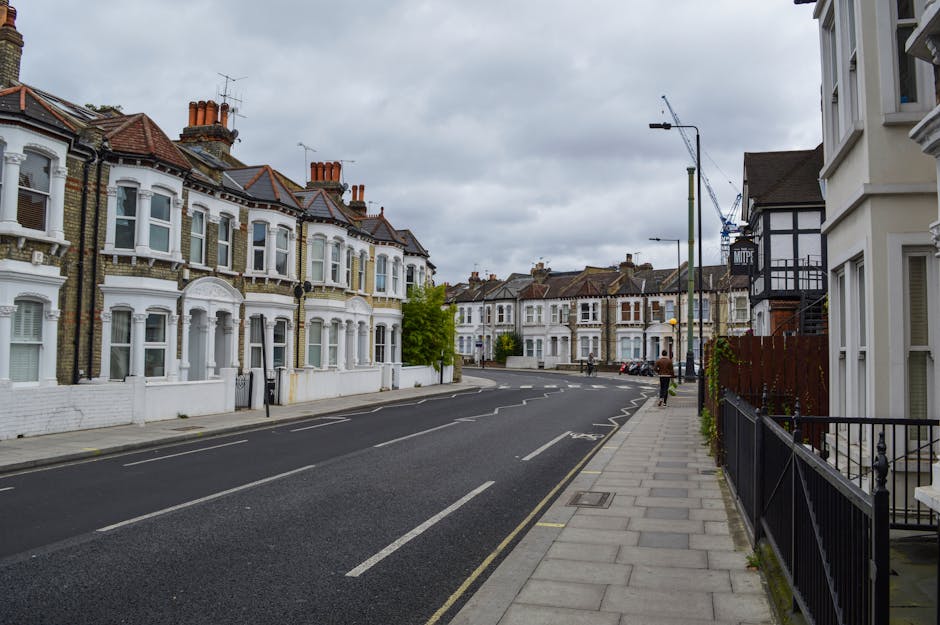
Why West Hampstead removals guide West End Lane and NW6 Matters
West Hampstead is one of those areas where location details matter more than people expect. West End Lane is a main local artery, with steady traffic, a mix of residential and commercial activity, and the kind of daily movement that can slow down loading or unloading if the timing is poor. NW6 also covers a varied mix of flats, maisonettes, converted period buildings, and family homes, which means there is no one-size-fits-all moving plan.
That matters because removals are not just about lifting boxes. They are about access. Can a van stop safely outside the property? Is there a flight of stairs? Is the lift large enough for furniture? Will the move happen during a busy period when neighbours, deliveries, or commuters are also around?
In our experience, local removals go best when the mover understands the street pattern, the building style, and the practical rhythm of the area. That is especially true for flats and smaller streets just off West End Lane, where a ten-minute delay can snowball into a much longer job. A well-thought-out plan saves time, and time is usually what people are short of on moving day.
If you are still exploring what type of move you need, a broader services overview can help you match the job to the right level of support. Some readers also find it helpful to compare removals in West Hampstead with more targeted options like flat removals or house removals.
How West Hampstead removals guide West End Lane and NW6 Works
A good removals process in this area usually starts before the van arrives. First comes the survey or initial call, where the size of the property, access, furniture volume, and timing are discussed. Then comes packing, disassembly if needed, route planning, and finally the moving day itself.
For many local moves, the practical sequence looks like this:
- Assess the property: number of rooms, access type, parking, stairs, lifts, and any bulky items.
- Choose the right service: from a man and van option to a full removals team.
- Prepare packing materials: boxes, tape, labels, protective wraps, wardrobe bags, and mattress covers where needed.
- Confirm timing: especially if there are building rules, keys to collect, or loading restrictions.
- Load strategically: fragile items and essentials are kept separate from heavy furniture.
- Deliver and place items: boxes and furniture are unloaded in a sensible order so rooms can be set up quickly.
The details vary, of course. A small student move near the station might need little more than a man with a van and a couple of hours. A larger family move could need a crew, packing help, and possibly storage if completion dates do not line up neatly. That happens more often than people would like.
For short-notice moves, a same-day removals service can be useful, but only if access and packing are under control. Same-day work is possible; it just requires a bit more realism and a bit less optimism.
Key Benefits and Practical Advantages
The biggest advantage of using a local, area-aware removals service is simple: fewer surprises. West Hampstead is compact enough that local knowledge really does make a difference. Someone who understands West End Lane traffic patterns, parking pressure, and the building stock in NW6 can plan around the likely bottlenecks.
Here are the most practical benefits:
- Better timing: local crews can plan loading windows more sensibly around busy streets and common access pinch points.
- Reduced handling stress: experienced movers know how to carry items through tight hallways and stairwells without turning the day into a drama.
- Faster turnaround: the right van size and the right number of movers save repeated trips.
- Lower damage risk: good packing, blanket wrapping, and careful lifting go a long way.
- More accurate pricing: clear scope at the start usually avoids awkward mid-move surprises.
There is also a psychological benefit, which people often underestimate. If you know where the boxes are going, how the van will load, and who is doing what, the move stops feeling like a fog. It becomes a sequence. Simple as that.
If you are comparing service levels, a specialist page such as removal services in West Hampstead can help you judge what is included, while packing and boxes support can take a lot of pressure off the final week.
Who This Is For and When It Makes Sense
This guide is useful for more people than you might think. West Hampstead attracts renters, homeowners, students, professionals, and downsizers, and each group has slightly different moving needs. The tricky bit is that they often live in similar buildings but need very different levels of support.
It makes especially good sense if you are:
- moving from a flat with stairs or a small lift
- working to a tight handover or completion schedule
- relocating with furniture that needs extra care
- trying to keep costs under control without doing everything yourself
- moving a home office or small business from NW6
- sorting a student move with limited time and a lot of boxes
Students in particular often need a lighter, quicker setup. If that sounds familiar, the dedicated student removals West Hampstead page is a sensible place to start. On the other hand, if you are moving a full household with wardrobes, beds, dining furniture, and the inevitable "miscellaneous" pile, then a proper house removals service is usually the better fit.
And if your move involves bulky pieces, awkward items, or heirlooms, do not just assume a standard van job will do. A more specialised option such as furniture removals may be the safer and less stressful route. That saves a lot of "we'll just manage" energy. Which, let's face it, rarely ends well.
Step-by-Step Guidance
Here is a straightforward way to approach a move in West Hampstead without letting it take over your week.
1. Start with the actual move size
List your furniture room by room. A sofa and four boxes are not the same as a full flat's worth of contents. Be honest with yourself here. Most move estimates go wrong because people forget the hidden items: hallway storage, balcony pieces, books, under-bed boxes, and the contents of that one cupboard everyone avoids.
2. Check access before booking
Measure stair widths, note whether the lift is usable for large items, and think about parking. On streets off West End Lane, the loading plan can matter as much as the route itself. If parking is tight, the team may need to work with a shorter stop or staggered loading.
3. Sort packing in layers
Pack by priority. Essentials first, then fragile items, then everyday contents, then storage items. Label boxes by room, but also by urgency if you want the first night to be calmer. A box marked "kettle, mugs, charger" can save a surprising amount of stress at 8 p.m. after a long day.
4. Separate what needs special handling
Artwork, mirrors, plants, instruments, and electronics deserve more care than general household items. If you have anything unusually heavy or delicate, say so early. That includes upright pianos or digital pianos. A move with a piano is not impossible, but it is definitely not the place for guesswork. In those cases, piano removals are the sensible option.
5. Confirm the day plan
Know who has keys, where items should be placed, and what time access starts. If you are handing over a property, keep a small essentials bag with ID, chargers, medication, snacks, and water. Moving day gets oddly physical and oddly administrative at the same time.
6. Leave room for the unexpected
There is nearly always something. A sofa that needs a different angle. A box that has no label. A key that is not quite ready. Build in a bit of breathing space, and the day feels much less brittle.
Expert Tips for Better Results
Small choices usually make the biggest difference. Here are the sorts of things experienced movers tend to pay attention to, and yes, they really do help.
- Use one colour or label style per room: it speeds up unloading and reduces confusion.
- Keep a "first night" box separate: bedding, toiletries, tea bags, phone chargers, and a few basics.
- Take photos of cable setups: especially if you have a tricky TV or desk arrangement.
- Disassemble only what genuinely needs it: some furniture is easier to move intact, but only if access allows.
- Avoid overfilling boxes: books and bottles get heavy quickly. Your back will notice, even if you pretend otherwise.
- Protect corners and finishes: old hallways and painted walls can scuff very easily.
If you are unsure about price structure or what affects a quote, reviewing pricing and quotes before you book can help you ask better questions. That one step often separates a smooth move from a confusing one.
Expert summary: the best move is usually the one with the least improvisation. Pack properly, measure honestly, and choose a service that matches the real size of the job, not the idealised version in your head.

Common Mistakes to Avoid
Most moving problems are preventable. The mistake is not usually bad luck. It is usually a rushed decision or a missing detail.
- Booking too late: especially risky at month-end, weekends, and around school holidays.
- Underestimating volume: this is the classic one. People forget cupboards, loft items, and spare-room storage.
- Ignoring access restrictions: the move might fit your timetable but not your building or street conditions.
- Mixing fragile and heavy items: a bad box mix can turn into broken glass or dented electronics.
- Not asking about insurance and handling: you should understand what the mover covers and how they work.
- Forgetting disposal or recycling: old packaging, unwanted furniture, and broken items should be planned for, not left until the end.
A lot of people also forget to ask how complaints are handled if something goes wrong. That is not pessimistic. It is just sensible. Reading a company's complaints procedure and terms and conditions helps you understand expectations before a lorry is anywhere near your street.
And yes, one more thing: do not leave packing tape for the last hour. That always becomes a strange little crisis.
Tools, Resources and Recommendations
You do not need a mountain of equipment for a decent move, but the right basics save time and reduce breakage. Most households do better with a simple, practical setup than with fancy extras they never use.
Useful packing tools
- strong double-walled boxes for heavier items
- packing tape and a dispenser
- marker pens for clear labelling
- bubble wrap or paper for fragile items
- wardrobe boxes for clothes if you want to avoid re-folding everything
- blankets or covers for furniture protection
Helpful service pages to compare
If you want to narrow down what support you actually need, these pages are particularly useful:
- man and van West Hampstead for lighter, smaller moves
- removal van West Hampstead for transport-focused help
- removal companies in West Hampstead if you are comparing providers
- storage in West Hampstead when dates do not line up
If sustainability matters to you, you may also want to look at recycling and sustainability. Reusing boxes, donating unwanted items where possible, and avoiding unnecessary waste can make the move feel a bit cleaner in every sense. Nice touch, really.
Law, Compliance, Standards, or Best Practice
Moving home or business in London is not usually a heavily regulated process for the customer, but there are still sensible standards and legal expectations worth understanding. These are less about bureaucracy and more about reducing risk.
For example, when using any removals service, it is wise to confirm:
- what items are covered under the service agreement
- how fragile, heavy, or high-value items are handled
- whether the company has clear health and safety practices
- how payments are taken and protected
- how accessibility needs are managed
A reputable company should be clear about its approach to safety and customer care. Pages such as health and safety policy, insurance and safety, and payment and security help you understand those standards in plain English.
If access or mobility is part of your move, it is also worth checking a company's accessibility statement. That can be the difference between a smooth experience and one where everyone is guessing. Not ideal.
For business moves, the same basic principle applies: clear scope, transparent responsibilities, and sensible handling of equipment. If you are relocating a workplace, office removals are usually best planned in stages so downtime is limited and equipment stays organised.
Options, Methods, or Comparison Table
Different moves call for different approaches. The right choice depends on volume, budget, access, and how hands-on you want to be. Here is a quick comparison to make that clearer.
| Option | Best for | What it usually includes | Main consideration |
|---|---|---|---|
| Man and van | Small flats, student moves, quick local jobs | Transport, loading help, light coordination | Less suited to very large or complex moves |
| Full removals service | Family homes, heavier furniture, busy moving days | More hands, better handling, broader support | Typically costs more, but saves time and effort |
| Removal van only | People who can do most of the loading themselves | Vehicle and transport capacity | Requires more of your own time and planning |
| Storage plus move | Delayed completions or short-term downsizing | Temporary holding space and collection/delivery | Needs careful scheduling and clear inventory |
As a rule of thumb, if the move is straightforward and local, a lighter service may be enough. If access is tight, the furniture is awkward, or the timing is stressed, a fuller solution usually pays for itself in fewer headaches. Sometimes the cheaper option is the one that costs you the most energy. Funny how that works.
Case Study or Real-World Example
Imagine a couple moving from a top-floor flat just off West End Lane into a small house within NW6. They have a sofa, bed frames, a dining table, a few awkward storage units, and a fair number of books. Nothing outrageous, but enough to make the move feel busy.
They start by listing everything room by room and realise there are more boxes than expected. That alone changes the plan. Instead of assuming a quick one-van job, they book a service that can handle furniture protection and proper loading order. They also set aside one box for documents, chargers, kettle items, and toiletries.
On the day, access turns out to be tighter than they remembered. The entrance is fine, but the hallway corner needs careful turning for the sofa. Because they had measured the larger pieces in advance, the team already knew where the risks were. The move still takes effort, of course, but it is controlled effort, not chaos. By late afternoon, they are in, boxes are labelled, and the first cup of tea tastes unusually good. You know the feeling.
The lesson is simple: accurate planning is rarely dramatic, but it saves the day. This is especially true in places like West Hampstead, where the surroundings can shift a move from easy to fiddly very quickly.
Practical Checklist
Use this checklist a few days before moving day. It is not fancy, but it works.
- Confirm moving date, time, and access details
- Check parking and loading space near the property
- Measure large furniture and key doorways
- Book the right service level for the size of your move
- Pack essentials separately
- Label boxes by room and priority
- Protect fragile and valuable items
- Decide what will go into storage, if anything
- Keep documents, keys, and chargers easy to reach
- Review payment, insurance, and terms before the move
If you are still deciding how much help you want, the broader about us page can give useful context on the business side, while pricing and quotes helps you understand how estimates are usually put together. A little admin now can save a lot of running around later.
Conclusion
Moving in West Hampstead does not have to be stressful, even if the area's parking, access, and building layouts sometimes try their best to make it so. The key is to treat the move as a plan, not an event. Once you know your property type, your access constraints, and the level of help you actually need, the rest becomes much more straightforward.
This West Hampstead removals guide West End Lane and NW6 is really about making informed choices: choosing the right service, packing properly, checking the details, and not leaving the tricky bits until the last minute. That mindset makes a bigger difference than most people expect.
Get a free quote today and see how much you can save.
And if you are still in the planning stage, that is completely fine. A calm move starts with one clear next step, then another, and suddenly the whole thing feels a lot less heavy.