Man and Van West Hampstead

Man and van West Hampstead services are built for practical local moves that need a careful pair of hands, a suitable vehicle and sensible planning. Our work focuses on moving household items, single bulky pieces, and mixed loads that do not call for a full removals team. If you need furniture collected, rooms cleared or boxed goods taken between addresses, the aim is to keep the process organised, direct and suited to the job in hand.
We support a straightforward range of removal tasks, from one-off item transport to smaller home moves and access-led collections. That can include help with loading and unloading, wrapping selected items for transit, and moving possessions safely between flats, houses, storage units or offices. Clear communication matters as much as the vehicle itself, because the right timing, route and carrying plan help keep the day manageable. If you want to compare your options, see our pricing and quotes page for the best way to request a quotation.
For customers who are deciding whether a van-based move is the right fit, the service is often chosen when the load is too much for a car but not large enough to justify a more complex move. It can suit a sofa, a bed, a few appliances, several boxes or an entire small household load. Tell us what needs moving, where it is going and any access details that matter, and we can help shape the work around the practical details.
Household moves and local transport
A man and van service is often the simplest option for short household journeys, particularly where there are stairs, narrow hallways or a limited amount of furniture to carry. We handle everyday domestic transport with care, including bedroom furniture, living room items, boxed contents and kitchen pieces that need to be loaded in a sensible order. The focus is on making the move feel contained, rather than turning it into a drawn-out production.
Our home moves page covers the kind of domestic work this service is set up for, while house removals reflects slightly broader moving needs when more of the home is involved. For a lighter load, the van-led approach can be a practical middle ground: more flexible than a large removal operation, yet more secure than trying to split a move across several personal trips. That makes it useful for flats, studio homes and partial relocations.
When preparing a quote request, it helps to think in terms of the items themselves rather than only the number of rooms. A compact flat with a heavy wardrobe and a fridge can take more effort than a larger space full of light boxes. Simple notes about furniture sizes, whether items need dismantling, and whether parking is tight can make the estimate more accurate. If that sounds like the right level of support, ask for a quotation and describe the job plainly.
Single items, bulky pieces and collection work

Many van jobs are about moving one awkward item well, not moving everything at once. A sofa, mattress, wardrobe, table, chest of drawers or exercise equipment can all be easier to transport with the right loading method and a vehicle that offers enough space. Our furniture pick-up page is relevant when the main task is collection rather than a full move, especially if the item needs to be taken from one property and delivered carefully to another.
For customers arranging mixed loads, the service can combine smaller collected items with boxed belongings or spare household pieces. That is often useful after buying furniture from a private seller, clearing a room, or moving a few possessions into storage before a later larger move. We can also help when an item needs to be carried through tight communal areas, because planning the route in advance matters just as much as the drive itself.
Where practical, the load is arranged so that fragile or awkward pieces are not pressed under heavy items. That is one reason people choose a van-based collection rather than trying to improvise with a small vehicle. A sensible arrangement in the back of the van can reduce unnecessary handling at each end of the journey and help protect the items that are most likely to be damaged if packed badly.
Packing choices and load preparation
Not every move needs full packing support, but a little preparation can make the transport smoother. The options offered on our packing and unpacking services page show the kind of help that may be useful when items need to be boxed, wrapped or sorted before they go into the van. Even where customers pack themselves, sturdy boxes, taped lids and clear labelling can make the job quicker to load and easier to place at the destination.
Good preparation is especially helpful for mixed household loads, because the van space should be used efficiently and safely. Soft furnishings can be protected with blankets or covers, while lamps, ornaments and small electronics are easier to manage when grouped together and separated from heavier furniture. If there are items that should stay upright or should not be stacked, make a note of that early so the loading order can account for them.
To keep the process straightforward, there are a few pieces of information that usually help most: what is being moved, whether there are any stairs or lifts, whether parking is close by, and whether the items need dismantling or reassembly. You do not need to provide a long report; a clear summary is often enough. For a detailed comparison of service options and costs, the next sensible step is to request a quotation and share the practical details first.
Office, studio and business transport

Van services are not limited to homes. Our office removals and commercial moves pages reflect the kind of business transport that may be needed for desks, chairs, archive boxes, monitors and general workplace contents. A smaller office or studio move can often be handled more flexibly than a large relocation, particularly when the job involves careful carrying rather than a full building-wide operation.
Business customers often want a move that keeps disruption down and keeps items organised by area or function. That can mean separating files from equipment, grouping labelled boxes, and planning the order in which items leave the old site and arrive at the new one. If the space has restricted access, loading bay rules or time windows, these details should be noted in advance so the transport plan fits the site conditions.
Some commercial jobs are simple collections of surplus chairs, filing units or boxed stock; others involve a partial relocation with a few key items. The man and van format is often suitable when the load is modest and there is value in a service that can adapt to awkward lifting or a narrow timetable. When you are ready, contact us to request a quotation and outline the business items that need moving.
Area profile: West Hampstead

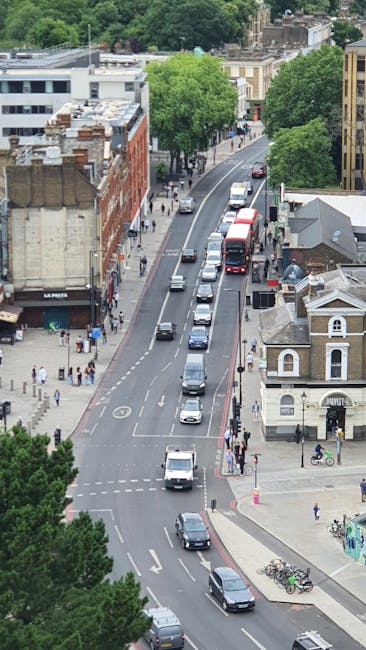
West Hampstead is a district in north-west London within the London Borough of Camden, lying between Kilburn, Finchley Road and the broader Hampstead area. Its character is shaped by a mixture of late Victorian and Edwardian terraces, mansion blocks, apartment conversions and busy high streets that have long supported local shopping and commuter traffic. The area is closely associated with its transport links: West Hampstead Thameslink, West Hampstead Underground station on the Jubilee line and West Hampstead Overground station create a compact interchange that connects the district to central London and to wider routes beyond the borough. West End Lane forms the area’s best-known commercial spine, with cafés, everyday shops and local services clustered around the station approaches. The neighbourhood also has a strong residential feel just off the main roads, where quieter side streets contrast with the movement of buses and rail passengers. Nearby open spaces and small parks contribute to the local rhythm, and the area’s long development from a suburban fringe into a densely connected urban district is still visible in the mix of building styles, street widths and land uses. Together these features make West Hampstead a recognisable part of Camden with a clear identity of its own, balancing transport convenience, local commerce and residential life.
Access, timing and parking-sensitive moves
Some of the most important decisions in a van move are not about the items themselves, but about how they can be taken out and brought in. Narrow staircases, basement flats, shared entrances and limited kerb space can all affect the sequence of loading. Our man and van removals page suits customers looking for a more general transport option that still remains focused on practical handling and straightforward coordination.
If parking is likely to be restricted, it is better to mention that early than to leave it until moving day. The same applies if the job needs to work around lift booking times, building rules or access codes. Van jobs often succeed because the route is planned in a simple, realistic order: what leaves first, what should stay on top, what needs extra care and what should be loaded last so that it can come out quickly at the other end.
Good access planning does not have to be complicated. A few clear notes about the entrance, any steps, and whether there is room for a van close to the property can be enough to shape the work. If the job includes several stops, it also helps to say which items belong at which address. Keep it plain and specific when you enquire, and the quotation can be based on the actual work rather than guesswork.
Removal support for different load sizes

The man and van format sits between a single-item courier style job and a larger full-house removal. That makes it a useful choice for partial moves, shared loads, student relocations, temporary storage runs and other situations where the quantity of belongings is variable. Our removal services page covers the broader family of transport work, while the van-led option remains a practical choice when you want something more flexible and less elaborate.
Some customers need help with one room at a time, while others are moving selected furniture from several rooms into a new property. In either case, it is usually better to match the vehicle and handling plan to the real load size than to assume that every move needs the same setup. A smaller job can still require care, especially if there are fragile items, awkward dimensions or valuable pieces that should not be squeezed into a crowded load.
When you are comparing options, think about the balance between convenience and scope. If there are too many large items for a car but not enough for a major removals operation, a van service is often the sensible middle choice. If you are ready to move forward, the simplest next step is to ask for a quote and describe the load in terms that match the items themselves.
Vehicle space, loading order and item protection
Moving well is often about sequence. Lighter cartons, soft furnishings and protected items may be loaded around heavier furniture so that the available space is used efficiently without compromising safety. Our moving van and removal van pages relate to the vehicle side of the service, which matters because the correct size and layout can make a small or medium job much easier to handle.
Item protection is part of the work, not an afterthought. Blankets, covers and careful placement help reduce scuffs and knocks, especially when furniture has to pass through tight corridors or up and down stairs. If an item can be dismantled without difficulty, that may make the move easier; if it should stay assembled, then loading space has to be arranged around its shape. The goal is to keep the job orderly while avoiding unnecessary handling.
For customers with a mixture of sturdy and delicate items, a sensible approach is to identify the pieces that need the most care before loading starts. That allows the larger or heavier items to be positioned in a way that leaves room for the more vulnerable ones. A concise message covering dimensions, access and any special handling points is usually enough to start the quotation process properly.
Useful related services and when they fit
Some moves call for a slightly different emphasis, even though they still sit within the same general transport category. Our man with van, movers and removals pages are relevant when you want to compare slightly broader wording for the same kind of practical moving help. The distinction usually lies in the size of the job, the way the load is organised and how much of the property is involved.
There are also situations where a more focused page is useful. House movers and house removalists are more obviously domestic in tone, while moving truck, moving van and removals van point to the transport side itself. This kind of page helps customers decide whether they need a light, local service or a wider removals arrangement with more structure.
For people who are still weighing up their options, a short comparison is often enough: the man and van approach suits modest loads, mixed items and straightforward local transport; larger removals suit fuller properties and more involved moves. If you want to proceed, request a quotation and outline which of those situations best describes your job.
Quoting, comparison and next steps
Price is usually shaped by practical factors such as load size, access, distance, the number of items and whether anything needs dismantling or extra care. Our pricing and quotes page is the best place to start if you want to make a direct enquiry about the work. The more clearly the job is described, the easier it is to respond with an estimate that reflects the real task rather than a vague average.
It is often helpful to set out the move in one simple message: where the items are going, what needs to be collected, whether there are stairs or parking issues, and whether the load includes any bulky or fragile pieces. That level of detail is enough for many jobs, and it avoids unnecessary back-and-forth. If you are unsure whether a man and van or a fuller removals service is the better fit, mention the load type and we can help you compare the practical options.
Ready to plan the move? Send the details of your items, access and preferred timing, and we will help you move toward a clear quotation. For direct contact, use our contact us page and tell us what needs to be transported.