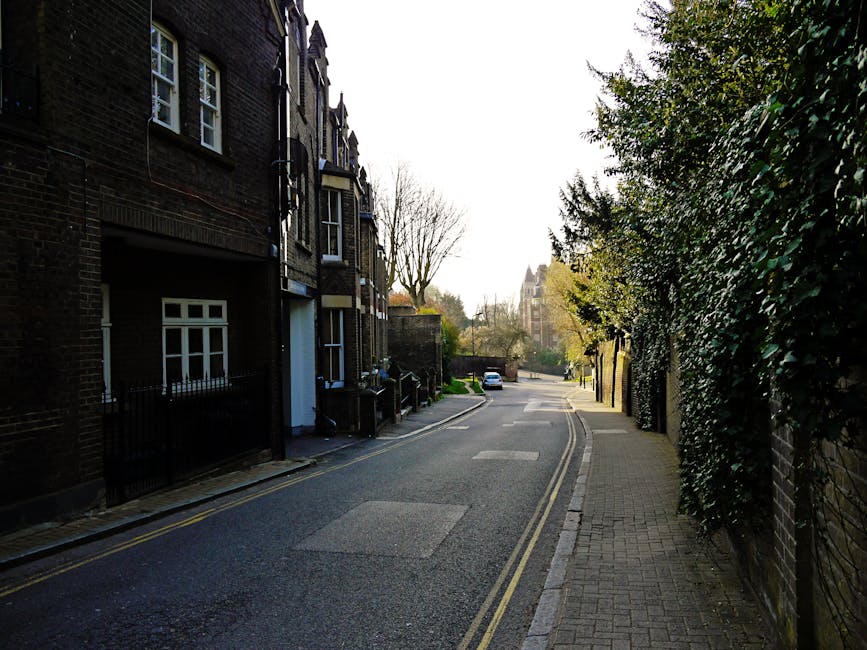
Removals for narrow streets and parking problems in NW6
Posted on 01/08/2026
If you have ever tried to move in NW6, you will know the challenge is rarely just the boxes. It is the turning circle, the parked cars, the tight one-way bits, the awkward stairwells, and that feeling of wondering where on earth a removal van is meant to stop for ten minutes without causing chaos. Removals for narrow streets and parking problems in NW6 need a different kind of planning, and frankly, a calmer head than a standard move across town.
This guide breaks down what makes NW6 moves tricky, how to handle tight streets and parking constraints, and what a well-run move should look like from start to finish. If you are moving a flat, a house, or a workspace, the right preparation can save time, reduce stress, and stop that annoying last-minute scramble when the van is stuck half a street away.
For a wider look at the type of moving support available locally, you may also find the services overview useful. And if your move includes bulky household items, it helps to understand the approach used for furniture removals in West Hampstead as well.
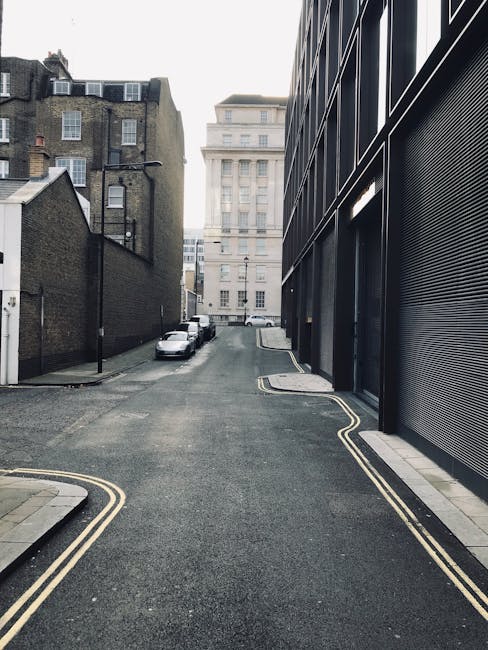
Why Removals for narrow streets and parking problems in NW6 Matters
NW6 is busy, residential, and full of streets where parking space can vanish before breakfast. That matters because a moving day is all about access. If the van cannot stop close enough to the property, every lift becomes longer, heavier, and riskier. A move that should feel organised can quickly turn into a relay race up and down the pavement. Not ideal, to say the least.
People sometimes assume parking is a small detail. It is not. It affects the whole timing of the move, the size of vehicle that can realistically be used, how many people are needed, and whether fragile items are likely to be carried safely. In narrow roads, even a small delay can have a knock-on effect, especially if neighbours are waiting to leave, delivery drivers are double-parked nearby, or access is shared with other homes.
The local pattern also matters. Parts of NW6 have terraced streets, mansion blocks, basement flats, and properties with limited loading space. In practice, that means a moving plan should be built around access constraints from the beginning, not as an afterthought once the van has arrived and everyone is standing around saying, "We should have thought of that."
Expert summary: In NW6, the best moves are not the ones with the biggest van or the fastest crew. They are the ones where access, parking, loading distance, and timing are planned together before moving day begins.
If you are moving from or into a flat, it can also help to read about flat removals in West Hampstead, because flats in this part of London often come with the exact same access headaches.
How Removals for narrow streets and parking problems in NW6 Works
A good removal plan for a narrow street starts long before the first box is lifted. The process usually begins with a practical review of access: how wide the road is, where the van could stop, whether there is room to wait, and how far items would need to be carried if parking is remote. In a perfect world, the van parks right outside. In NW6, that is sometimes possible. In other cases, not remotely.
From there, the job is shaped around the property type and the vehicle size. A smaller removal van or a man and van setup can often be more suitable than a larger lorry on tighter roads. That does not mean smaller is weaker; it often means more workable. On a narrow street, workable beats ambitious. Every time.
The moving team may also plan the collection order differently. For example, they might start with items near the front door and send one person ahead with the most awkward pieces while another manages boxes. If parking is a few doors down, they may use trolleys, straps, blankets, and a steady flow rather than trying to carry everything in one chaotic burst.
Timing is also part of the method. If the road is busy during school drop-off, commuter hours, or lunchtime, an early slot can make a huge difference. Some moves benefit from a split schedule as well: for example, larger items first, then the rest once access is clearer. That is where local experience really shows. It sounds simple, but it saves headaches.
For moves that need quick turnaround, it may be worth looking at same-day removals in West Hampstead or reading about same-day removals delays and solutions if timing is already tight.
Key Benefits and Practical Advantages
When the move is planned properly, the benefits are obvious pretty quickly. You spend less time waiting for the van, less time carrying things farther than necessary, and far less time worrying that somebody is about to get clipped by a reversing vehicle. The whole day feels more controlled. Not glamorous, but very real.
- Shorter carrying distance: A well-positioned van reduces the number of trips and lowers the chance of damage.
- Less stress on moving day: Clear access planning removes the most common friction point before it starts.
- Lower risk of delays: Fewer parking surprises means better timing and fewer rushed decisions.
- Safer handling of items: Heavy furniture and fragile belongings are easier to manage when the route is clear.
- Better neighbour relations: Good parking etiquette helps avoid complaints and awkward conversations on the pavement.
There is also a financial angle. A move that goes smoothly is less likely to run long or require repeated trips because the vehicle could not get near the property. That is why many people look at pricing carefully in advance and compare options before booking. If you want a clearer picture of how moving costs are framed, the page on pricing and quotes is a sensible starting point.
And if you are being careful about budget, do not overlook the small stuff. Boxes, wrapping materials, and disassembly time can quietly shape the whole experience. The support available through packing and boxes in West Hampstead can make the rest of the day much smoother.
Who This Is For and When It Makes Sense
This approach is for anyone moving in NW6 where access is awkward, but it is especially helpful for people in flats, maisonettes, terraced houses, and shared properties. Students moving in and out near busy stretches, families with full households, and office teams shifting equipment out of a tight side road all face the same basic problem: the property may be perfectly fine to live in, but not especially kind to a van.
It also makes sense if you are moving something large or awkward, such as wardrobes, sofas, beds, or a piano. Those items do not care that the road is narrow. They still need a workable route. For larger one-off items, it may help to review large item removals in Broadhurst Gardens, which reflects the kind of access challenge many NW6 residents recognise immediately.
You should also think about this setup if your move is time-sensitive. Maybe your tenancy ends at noon, maybe you have building access booked for a short window, or maybe the weather has decided to be thoroughly British and annoying. In those situations, being realistic about parking and loading space is not pessimism. It is good planning.
Students, in particular, often need a leaner and faster approach. If that sounds familiar, student removals in West Hampstead may be more relevant than a bigger full-house solution.
Step-by-Step Guidance
Here is the practical version. If you are moving in NW6, do these things in order.
- Assess access early. Look at street width, turning space, kerb height, and where a van could realistically stop. Do not guess.
- Measure the awkward items. Doorways, stair turns, lifts, and hallways matter just as much as the furniture itself.
- Choose the right vehicle. Smaller is often smarter in tight streets. A huge van may create more problems than it solves.
- Plan the loading route. Decide which door will be used, where items will be staged, and how far the carry will be if parking is blocked.
- Check timing windows. Early mornings or quieter periods are often better than the middle of a busy day.
- Pack by priority. Keep essentials separate and label anything fragile or heavy.
- Prepare for a fallback option. If the van cannot stop directly outside, have a backup loading plan ready.
- Confirm everything the day before. Parking, access, keys, contact numbers, and any building rules should all be double-checked.
A small real-world tip: many moving problems begin because somebody says, "The van should fit." Should. Maybe. Perhaps. But it is better to know. If the route is tight, the move should be built around the street, not the other way round.
If you are unsure about the vehicle type, a man with a van in West Hampstead or a flexible man and van service can often be a better fit than a larger fixed setup.
Expert Tips for Better Results
One of the best things you can do is think like a mover for ten minutes. Where would the heaviest item go first? Where is the narrowest point? Which part of the street will be busiest? These questions sound obvious, but they are exactly the ones that make a move feel effortless rather than ragged.
Try these practical tips:
- Use a loading plan, not just a packing list. The order items come out matters in narrow streets.
- Reserve the best access window you can. In a congested area, that may be more valuable than shaving a few minutes off the actual move.
- Keep the entrance clear. Hallways, front steps, and shared landings should not become storage areas.
- Protect items for longer carries. If parking is far away, extra wrapping and sturdy handles matter more.
- Tell neighbours if needed. A quick heads-up can prevent confusion, especially where access is shared.
If the move includes an office or home office setup, the same principles apply. Cables, monitors, file boxes, and desks all get more awkward when the van cannot park nearby. For a more specialised move, office removals in West Hampstead are worth considering.
And a slightly more human tip: keep water nearby. Proper water, not the half-empty bottle rolling around in the boot. Small thing, but on a warm moving day it is the difference between coping and becoming sharply unhelpful by 11:30 a.m.
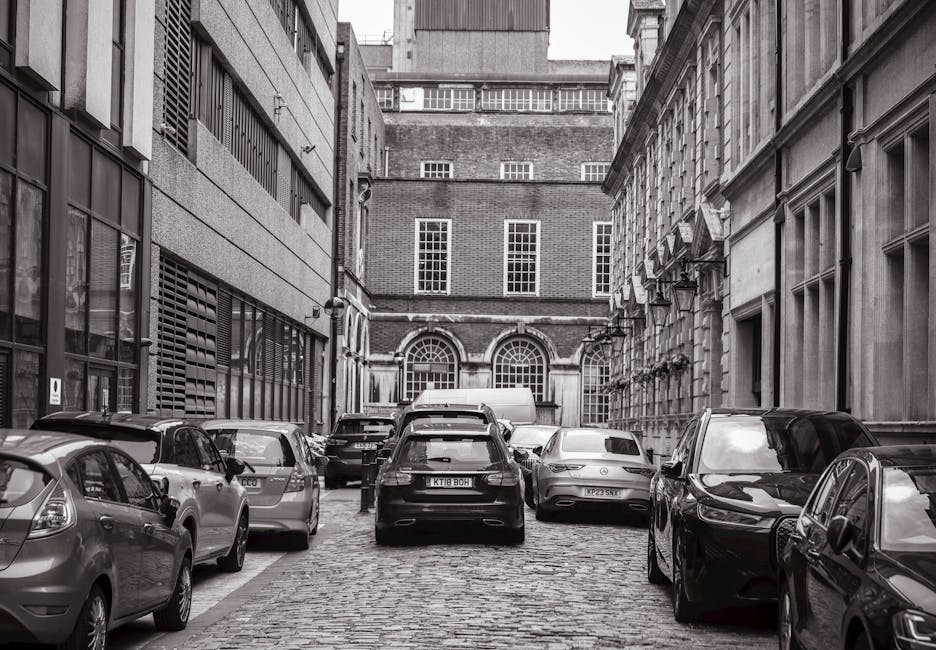
Common Mistakes to Avoid
The most common mistake is assuming the road will "sort itself out" when the day arrives. It usually does not. Parking problems do not magically vanish just because the boxes are packed. In fact, they often get worse once a van is waiting and everyone is in a hurry.
- Booking a vehicle that is too large: Bigger is not better if the street cannot accommodate it.
- Leaving parking until the last minute: This is how avoidable delays turn into actual delays.
- Forgetting stair and doorway measurements: A sofa that fits in the van can still get stuck at the top of the stairs.
- Overpacking boxes: Heavy boxes are much harder to carry if the route from van to door is long.
- Not planning for neighbours or traffic: A blocked street affects everyone, not just you.
- Ignoring weather: Rain changes grip, speed, and safety. NW6 can go from fine to slippery in a minute.
Another mistake is hiding complications. If the street is narrow, say so. If access is weird, say so. If the parking is usually dreadful on a Tuesday morning, say that too. Good movers do not mind honest detail. It helps them do the job properly. That is exactly why people also read about avoiding hidden removals fees in West Hampstead; awkward access should be discussed openly, not discovered mid-move.
Tools, Resources and Recommendations
You do not need fancy kit to handle a difficult NW6 move, but a few practical tools make a real difference. Heavy-duty boxes, protective blankets, straps, sack trucks, and furniture sliders are all useful when the carrying route is longer than expected. A simple roll of tape and a marker pen can also save you a surprising amount of panic. Honestly, label things properly. Your future self will be grateful.
Good move preparation also means using the right kind of support. Sometimes that is a straightforward removal van; sometimes it is a smaller, more adaptable service; sometimes it is storage if the timing does not line up neatly. For temporary overflow or staggered moving dates, storage in West Hampstead can keep the day from turning into a pressure cooker.
Here are a few recommendations that help in practice:
- Use sturdy packaging rather than trying to "make do" with weak boxes.
- Keep screws, keys, and fittings in labelled bags taped to the matching furniture.
- Take photos before dismantling anything complex.
- Prepare an essentials box for the first 24 hours.
- Leave a clear path from each room to the exit.
If you want to understand the broader moving picture, the page on removal services in West Hampstead is a useful read, especially if you are comparing levels of support.
Law, Compliance, Standards and Best Practice
There is no point pretending moving in London is only about convenience. There are practical rules and responsibilities around parking, vehicle access, safe loading, and not blocking the street. In residential areas, you need to be respectful of local traffic flow, pedestrians, and any building rules that apply to your property. If a space is restricted, loading still needs to happen safely and without creating avoidable obstruction.
Best practice is straightforward even if the details vary by street and property. Keep access plans realistic, follow building instructions where relevant, and avoid risking damage by forcing oversized items through unsuitable routes. If a move involves fragile or heavy belongings, safe handling is part of the job, not a bonus.
Insurance also matters. It is sensible to know what cover is in place before moving day, particularly if there is a longer carry from van to door or the property has tight communal areas. A responsible provider should be able to explain its approach clearly. That is one reason some people review insurance and safety information before they book.
For general standards around safe working, clear communication, and proper planning, the best approach is simple: be careful, be transparent, and do not improvise around hazards. That is true whether you are moving a desk or an entire house.
Options, Methods, or Comparison Table
Not every NW6 move needs the same setup. The right choice depends on the street, the load, and how much flexibility you have. Here is a practical comparison.
| Option | Best for | Strengths | Trade-offs |
|---|---|---|---|
| Small van or man and van | Narrow streets, lighter loads, flat moves | More manoeuvrable, easier parking, often quicker on tight roads | May require more trips for larger loads |
| Standard removal van | Moderate home moves | Good balance of space and flexibility | Can still be awkward on very tight roads |
| Full removal team with larger vehicle | Large households or office moves | More capacity and manpower | Needs better parking access and planning |
| Storage-first move | Staggered dates or complicated access | Reduces pressure and allows flexible timing | Requires extra handling and planning |
For many people in NW6, the sweet spot is a smaller, more nimble setup with enough help to keep the pace steady. If you are comparing local options, removal companies in West Hampstead is a sensible place to start, especially if you want a provider that understands these local streets.
Case Study or Real-World Example
Picture a typical NW6 move: a two-bedroom flat on a street with cars parked on both sides, a narrow entrance hall, and a sofa that looked manageable in the living room but suddenly becomes a different beast near the front door. The occupier wants the move done in one morning. The road is busier than expected. A larger van would have struggled to stop close enough without blocking access for everyone else.
In a case like that, the practical approach is usually to use a smaller van, stage the items at the entrance before arrival, and load in a clear sequence: larger furniture first, then boxes, then fragile items. If the van has to stop a little further away, the team uses trolleys and a sensible carry route rather than forcing a bad parking position. It is not dramatic. It is just effective.
What made the difference was not luck. It was the fact that the access issue was recognised early. The mover did not pretend the street was roomy when it plainly was not. There was no heroic last-minute improvisation. Just good planning, a realistic vehicle choice, and a calm pace. Boring, maybe. Successful, definitely.
That kind of approach is especially helpful for local residents who want a move tailored to their building and street rather than a generic, one-size-fits-all service. If you are weighing up your options, removals in West Hampstead can be a useful service reference point.
Practical Checklist
Use this before moving day. Simple, but effective.
- Measure doors, hallways, stairs, and large furniture.
- Confirm where the van can park or load.
- Check whether the street is narrow, one-way, or regularly congested.
- Decide whether a small van or larger vehicle is more realistic.
- Pack fragile items securely and label them clearly.
- Prepare an essentials box for the first night.
- Tell neighbours or building management if access may be tight.
- Keep keys, documents, and phone chargers with you.
- Build in a time buffer for delays.
- Review insurance, safety, and terms before booking.
If your move is more complex than it first looked, do not panic. That happens all the time. The trick is to notice the pressure points early and handle them one by one.
Conclusion
Removals for narrow streets and parking problems in NW6 are all about realism. Not pessimism. Realism. The more accurately you assess access, parking, loading distance, and vehicle size, the smoother the move becomes. That applies whether you are shifting out of a compact flat, a family house, or a small office. Once the access plan makes sense, everything else becomes easier.
In practice, the best outcome usually comes from a smaller, smarter, more flexible moving setup rather than an overambitious one. Plan early, speak plainly about the street conditions, and keep the day organised around what the road will actually allow. That approach saves time, money, and a good deal of frustration.
Get a free quote today and see how much you can save.
And if the whole thing feels a bit much, that is understandable. Narrow streets can be tricky, parking can be awkward, and moving day has its own way of testing patience. But with the right preparation, it really can be handled well. One careful step at a time.